Three plans: El Resumen Esencial for free, Premium with the full analysis and Intelligence with data and alerts to decide, in English, Spanish or Portuguese.
Three plans: El Resumen Esencial for free, Premium with the full analysis and Intelligence with data and alerts to decide, in English, Spanish or Portuguese.
Three plans: El Resumen Esencial for free, Premium with the full analysis and Intelligence with data and alerts to decide, in English, Spanish or Portuguese.
Ámbito3 min read
AI estimate · 80% confidence
Main framing
Center 40%
Center · estimated by AI · 80% confidence
The estimate comes from analyzing the story's text: which sources it quotes, which facts it highlights and what language it uses.
An AI model reads the story and estimates how much of its framing leans left, center or toward a libertarian view. The three percentages add up to 100.
This is an AI-generated estimate, not an objective judgment.
Generated on · 1 min read
AI summaries may contain errors.
Governor Passalacqua emphasizes that the measure is a 'achievement of all the people of Misiones,' suggesting a positive and unifying framework. Although there are criticisms of the central government, the main focus is on the benefits of the subsidy and the recognition of provincial effort, indicating a more centered view.
Quoted from the original Spanish text.
AI summary
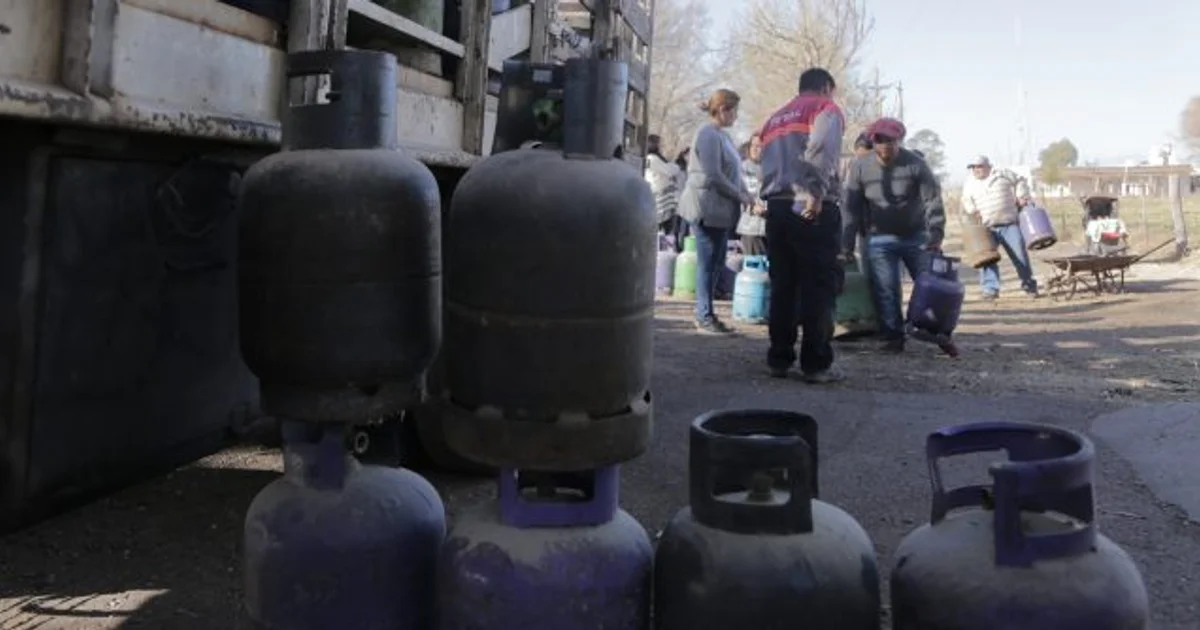
The Argentine government has enacted the new Differential Energy Regime for Warm Zones, which will provide electrical subsidies to fifteen provinces, extending beyond the Northern region. Misiones Governor Hugo Passalacqua praised the measure, highlighting its importance for the economic relief of many families in Misiones who lack access to natural gas.
Additionally, the subsidies under the Cold Zone Regime for Patagonia and other affected regions have been formalized.
Generated by AI from the original story in Spanish.
Cabe recordar que el acuerdo entre Nación y los gobernadores del Norte Grande se había celebrado a cambio de que los legisladores de esas provincias apoyarán los cambios en el Régimen de Zona Fría, que fue recortado por el Congreso.
Entre las provincias norteñas cundía la incertidumbre respecto al futuro de la iniciativa, ya que la semana pasada renunció el secretario de Coordinación de Energía y Minería del Ministerio de Economía, Daniel González, quien había participado de las negociaciones.
La novedad del caso es que, más allá de las diez provincias del Norte Grande, también se incluyeron a otras como Santa Fe, Entre Ríos, Córdoba, San Luis y San Juan.
Tras meses de gestión y de sostener firmemente nuestra postura, celebro que finalmente se haya oficializado el nuevo Régimen Diferencial de Energía para Zonas Cálidas a partir de noviembre. Este es un logro de todos los misioneros, que nació como un reclamo formal que llevamos… — Hugo Passalacqua (@passalacquaok) October 27, 2026
Tras meses de gestión y de sostener firmemente nuestra postura, celebro que finalmente se haya oficializado el nuevo Régimen Diferencial de Energía para Zonas Cálidas a partir de noviembre. Este es un logro de todos los misioneros, que nació como un reclamo formal que llevamos…
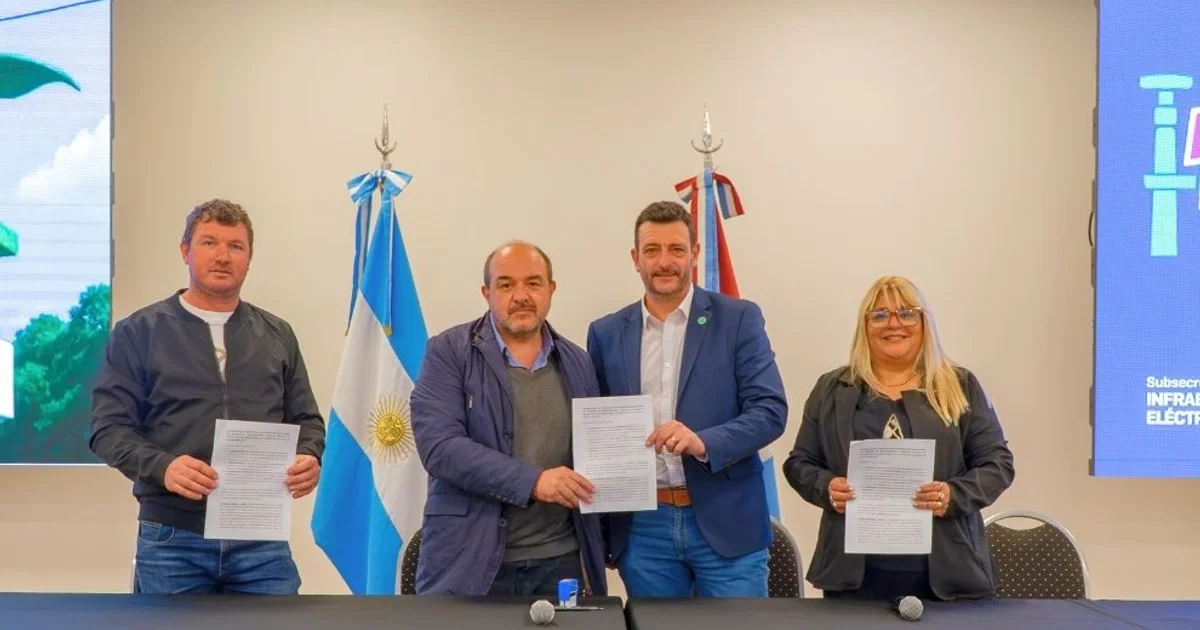
El gobernador de Misiones, Hugo Passalacqua, celebró en sus redes sociales la medida y consideró que "este es un logro de todos los misioneros, que nació como un reclamo formal que llevamos a Nación en la Cumbre de Gobernadores del Norte Grande, y que desde el Gobierno provincial defendimos incansablemente tocando puertas y fundamentando técnicamente cada presentación".

Institutional · Secretaría de Energía

Economy · iProfesional
Original excerpt in Spanish. The content belongs to Ámbito.