Three plans: El Resumen Esencial for free, Premium with the full analysis and Intelligence with data and alerts to decide, in English, Spanish or Portuguese.
Three plans: El Resumen Esencial for free, Premium with the full analysis and Intelligence with data and alerts to decide, in English, Spanish or Portuguese.
Three plans: El Resumen Esencial for free, Premium with the full analysis and Intelligence with data and alerts to decide, in English, Spanish or Portuguese.
El Cronista3 min read
AI estimate · 85% confidence
Main framing
Left 80%
Left · estimated by AI · 85% confidence
The estimate comes from analyzing the story's text: which sources it quotes, which facts it highlights and what language it uses.
An AI model reads the story and estimates how much of its framing leans left, center or toward a libertarian view. The three percentages add up to 100.
This is an AI-generated estimate, not an objective judgment.
Generated on · 1 min read
AI summaries may contain errors.
Kiguel criticizes Milei's government's policy by emphasizing that a higher dollar could have benefited the economy and that the imposed restrictions limit growth. His analysis suggests that the current economic policy is causing stagnation, aligning more with a critical approach than with support for the government's measures.
Quoted from the original Spanish text.
AI summary
Economist Miguel Kiguel criticized the currency policy of Javier Milei's government, suggesting that a higher dollar would have benefitted the economy. Kiguel indicated that the current exchange rate is forcing a strengthening of the peso and limiting the tools available to stimulate economic growth.
While he noted achievements in indicators like inflation and exports, he warned that the economy is stagnant and facing a recession.
Generated by AI from the original story in Spanish.
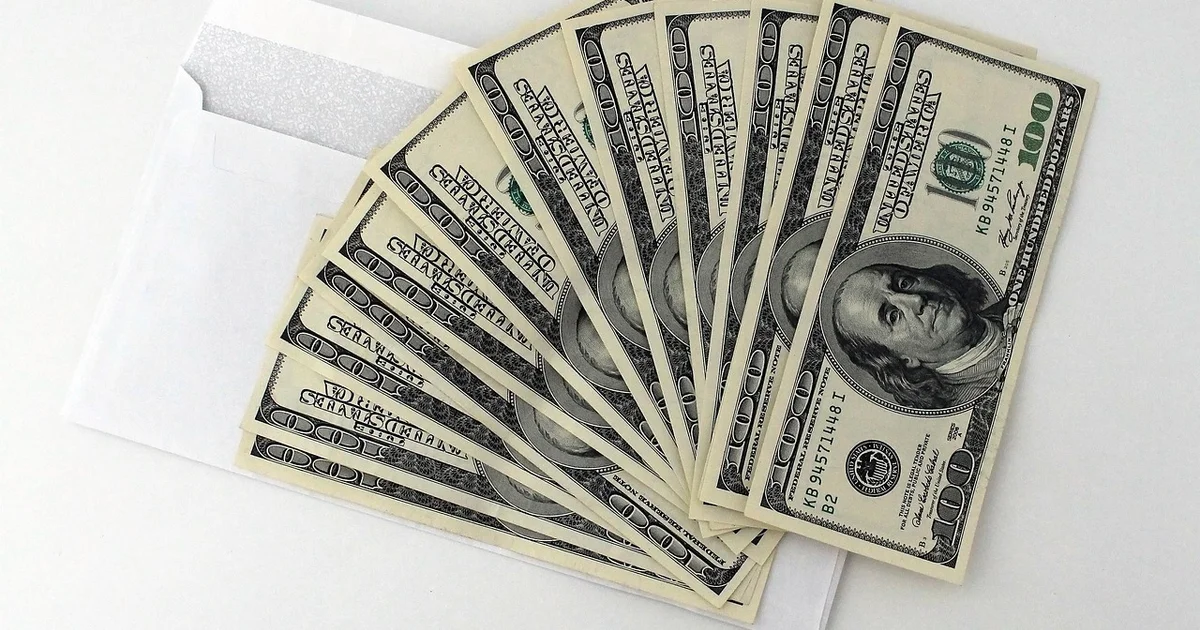
El economista Miguel Kiguel cuestionó la política cambiaria del gobierno de Javier Milei y afirmó que el Gobierno usó el tipo de cambio para frenar la inflación.
“Hubiera sido mejor que estuviera un poco más alto”, señaló en una entrevista con Radio Rivadavia. “Te quedaste con un tipo de cambio que empezó a forzar al peso a fortalecerse”, agregó.
Kiguel, especialista en macroeconomía y mercados financieros, explicó que un dólar más alto habría servido “para de alguna forma amortiguar a toda la competencia externa y esa nueva realidad”. Según su análisis, eso habría permitido “darle más tiempo en la transición”.
A la vez, el economista describió que el peso comenzó a fortalecerse de manera sostenida y cuestionó la respuesta oficial ante ese proceso.
“El Gobierno, en vez de decir ‘bueno, tratemos de ir más despacio’, dijo: ‘no, mejor que se fortalezca, porque eso nos ayuda a bajar la inflación’”, sostuvo.
El economista ubicó a este factor como motivo del estancamiento, junto con la reducción del gasto público y la normalización de las tarifas.
Original excerpt in Spanish. The content belongs to El Cronista.