Three plans: El Resumen Esencial for free, Premium with the full analysis and Intelligence with data and alerts to decide, in English, Spanish or Portuguese.
Three plans: El Resumen Esencial for free, Premium with the full analysis and Intelligence with data and alerts to decide, in English, Spanish or Portuguese.
Three plans: El Resumen Esencial for free, Premium with the full analysis and Intelligence with data and alerts to decide, in English, Spanish or Portuguese.
Página/123 min read
AI estimate · 90% confidence
Main framing
Left 80%
Left · estimated by AI · 90% confidence
The estimate comes from analyzing the story's text: which sources it quotes, which facts it highlights and what language it uses.
An AI model reads the story and estimates how much of its framing leans left, center or toward a libertarian view. The three percentages add up to 100.
This is an AI-generated estimate, not an objective judgment.
Generated on · 1 min read
AI summaries may contain errors.
The article uses a critical tone by mentioning the increase in country risk and market volatility, highlighting the costs of adjustment. It focuses on the economic difficulties and challenges faced by Argentina, which suggests an opposing perspective to the current government.
Quoted from the original Spanish text.
AI summary
The Argentine government and the International Monetary Fund (IMF) have reached an agreement for a new disbursement of 900 million dollars as part of the third review of the financing program. The macroeconomic policies and reforms adopted by Argentina have been highlighted by the IMF as factors contributing to disinflation and improvement in the country's external position.
However, despite this positive news, the country risk has significantly increased in October, and the financial market continues to show volatility.
Generated by AI from the original story in Spanish.
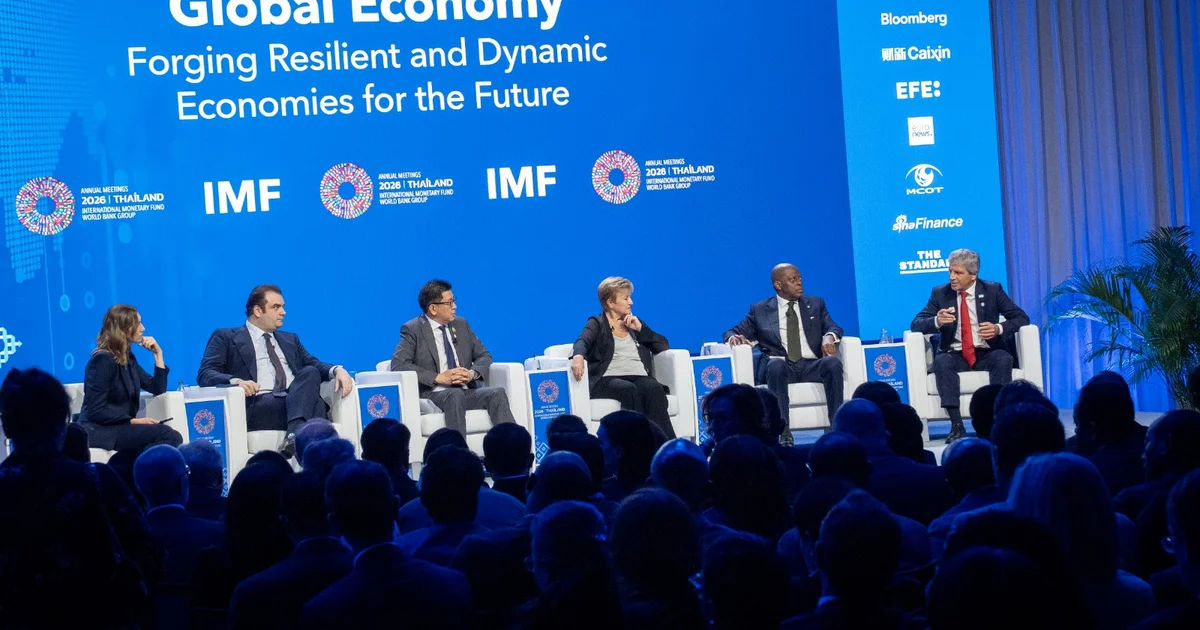
El Gobierno y el Fondo Monetario Internacional (FMI) alcanzaron un acuerdo técnico en la tercera revisión del programa de financiamiento para Argentina. La novedad, que comunicó el organismo en la tarde del martes, abre la posibilidad de un nuevo desembolso por 900 millones de dólares. La decisión final la tiene el Directorio Ejecutivo.
El FMI destacó que “las políticas macroeconómicas disciplinadas y las reformas orientadas al mercado siguen respaldando la desinflación y las mejoras en la posición externa de Argentina, con una acumulación de reservas que supera los compromisos del programa. “Partiendo de estos logros, se alcanzaron acuerdos sobre un paquete de políticas equilibradas destinado a fortalecer aún más la estabilidad”.
Durante la jornada, el mercado financiero argentino mostró una recuperación parcial después de las fuertes pérdidas del lunes. El dólar oficial se mantuvo en 1560 pesos, los tipos de cambio financieros retrocedieron y los bonos en moneda extranjera registraron mejoras. Sin embargo, las acciones volvieron a caer y el riesgo país, pese a una baja durante la jornada, continuó en niveles elevados.
La cotización del Banco Nación se ubicó en 1560 pesos. El precio minorista se sostuvo así en el máximo nominal alcanzado el lunes. En el segmento mayorista, donde operan bancos y empresas, la divisa retrocedía cinco pesos hasta los 1536, luego de siete ruedas consecutivas de aumentos.
La atención también estuvo puesta en los títulos de deuda pública. Los bonos soberanos en dólares mostraron avances de hasta 0,6 por ciento, lo que permitió una reducción del indicador de riesgo país que calcula JP Morgan. El índice se ubicaba en 748 puntos básicos, 17 puntos menos que el día anterior.
El riesgo país acumula un aumento superior al 23 por ciento en octubre y del 31 por ciento desde comienzos de año. El lunes había llegado a 765 puntos, después de un incremento de 58 unidades en una sola jornada.


Original excerpt in Spanish. The content belongs to Página/12.