Three plans: El Resumen Esencial for free, Premium with the full analysis and Intelligence with data and alerts to decide, in English, Spanish or Portuguese.
Three plans: El Resumen Esencial for free, Premium with the full analysis and Intelligence with data and alerts to decide, in English, Spanish or Portuguese.
Three plans: El Resumen Esencial for free, Premium with the full analysis and Intelligence with data and alerts to decide, in English, Spanish or Portuguese.
El Cronista3 min read
AI estimate · 80% confidence
Main framing
Left 50%
Mixed · estimated by AI · 80% confidence
The estimate comes from analyzing the story's text: which sources it quotes, which facts it highlights and what language it uses.
An AI model reads the story and estimates how much of its framing leans left, center or toward a libertarian view. The three percentages add up to 100.
This is an AI-generated estimate, not an objective judgment.
Generated on · 1 min read
AI summaries may contain errors.
The article highlights both the government's perspective with its exchange strategy and economists' concerns about the continuation of dollarization. Quotes from Federico Machado provide a critical analysis of the economic situation, reflecting a balance between views that support and criticize the government's actions.
AI summary
In September 2026, Argentine savers purchased u$s 3410 million in foreign currency, which is half of what was acquired in September 2025. Despite this decrease, dollarization is expected to continue, and the government claims it will have a "bazooka of dollars" to manage exchange pressure leading into the 2027 elections.
The Central Bank's international reserves fell by u$s 2167 million, ending the month at u$s 46.092 million.
Generated by AI from the original story in Spanish.
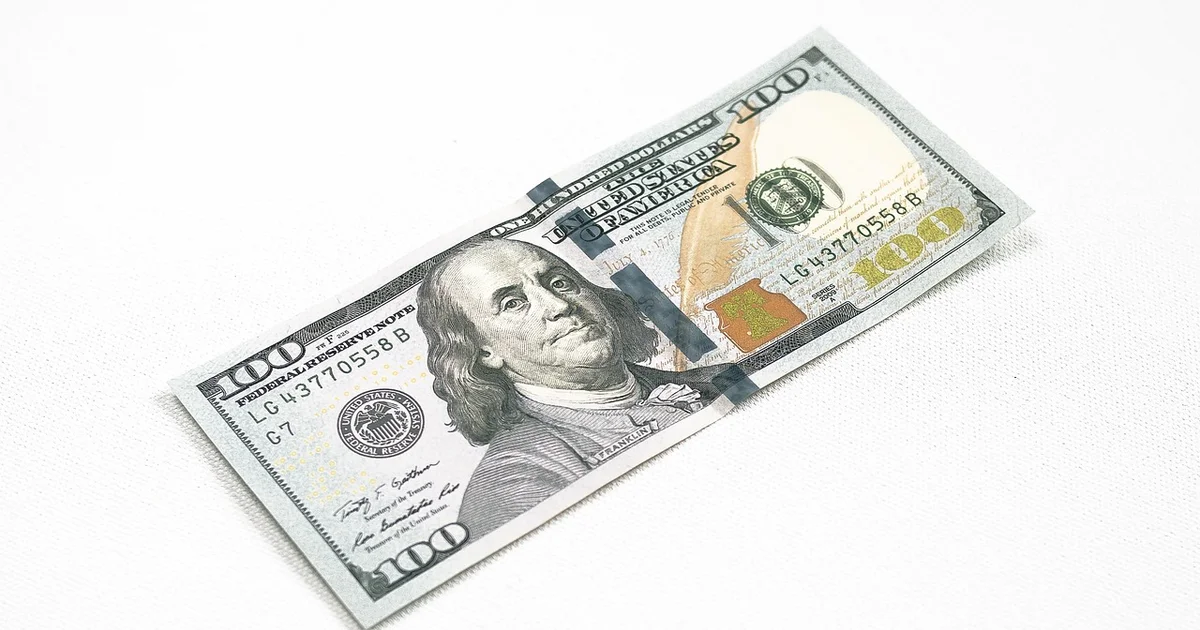
Falta un año para las elecciones presidenciales de 2027, pero ya empezó la dolarización de carteras. Los ahorristas compraron en septiembre moneda extranjera por u$s 3410 millones, informó este viernes el Banco Central.
Sin embargo, esa cifra representó la mitad que la registrada un año atrás, en septiembre de 2025 durante la previa de los comicios legislativos. En ese entonces, alcanzó los u$s 6857 millones.
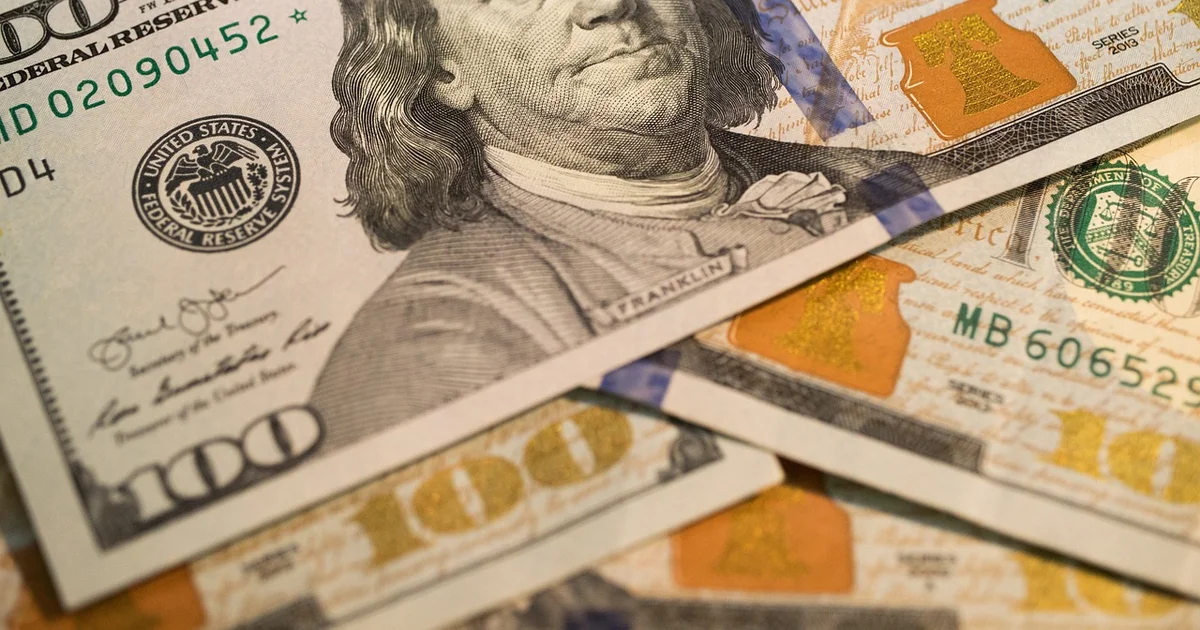
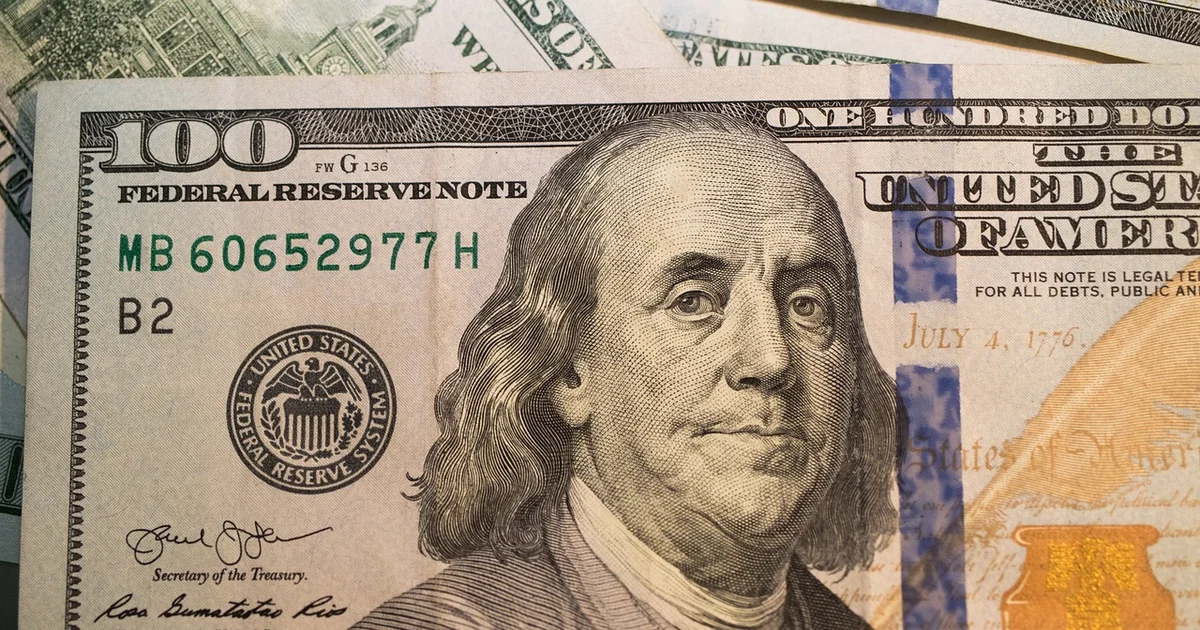
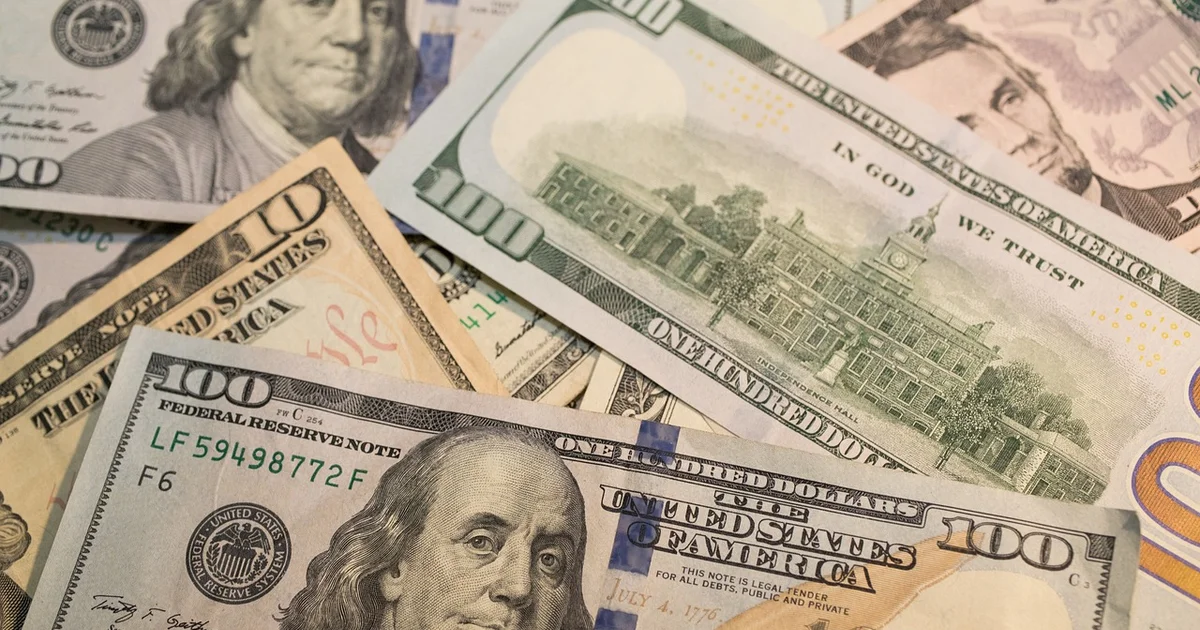
El mes pasado los argentinos adquirieron billetes por u$S 2471 millones. El resto correspondió a egresos por servicios y otros gastos corrientes (u$s 668 millones) y giros de divisas sin fines específicos (u$s 426 millones).
Alrededor de 1,6 millones de individuos compraron billetes, mientras que 758.000 vendieron.
Según estimaciones oficiales del BCRA, unos u$s 800 millones de esas compras fueron utilizados para cubrir los gastos con tarjetas y otros débitos en cuentas, mientras que otros u$s 800 millones quedaron depositados en bancos locales y los restantes u$s 800 millones incrementaron la posición de activos externos.
“Mientras el esquema cambiario fuerce a los exportadores a vender sus dólares, muchos se seguirán dando vuelta y recomprando los dólares (como personas humanas dado el cepo a empresas). La Formación de Activos Externos (FAE) récord es contracara de las exportaciones récord y de la obligación a liquidar”, explicó Federico Machado, economista del OPEN, a El Cronista.
Original excerpt in Spanish. The content belongs to El Cronista.
Finance · iProfesional