Three plans: El Resumen Esencial for free, Premium with the full analysis and Intelligence with data and alerts to decide, in English, Spanish or Portuguese.
Three plans: El Resumen Esencial for free, Premium with the full analysis and Intelligence with data and alerts to decide, in English, Spanish or Portuguese.
Three plans: El Resumen Esencial for free, Premium with the full analysis and Intelligence with data and alerts to decide, in English, Spanish or Portuguese.
+Enfoque · Finance
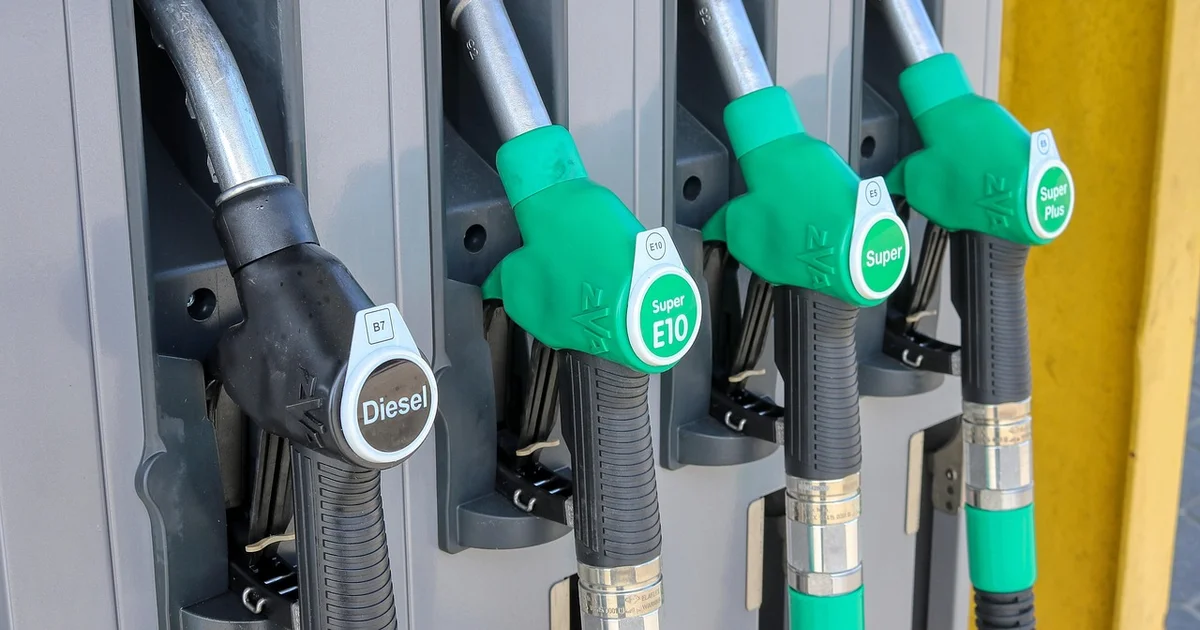
A new study finds that without the current price stabilization scheme, the price for super gasoline would be $2.854 per liter, which is 34.9% higher than today’s rate.
iProfesional4 min read


Main framing
Center 50%
Center · estimated by AI · 80% confidence
The estimate comes from analyzing the story's text: which sources it quotes, which facts it highlights and what language it uses.
An AI model reads the story and estimates how much of its framing leans left, center or toward a libertarian view. The three percentages add up to 100.
This is an AI-generated estimate, not an objective judgment.
Generated on · 1 min read
AI summaries may contain errors.

Finance · La Nación


Finance · iProfesional
Finance · iProfesional

Finance · Clarín
AI estimate · 80% confidence
The analysis references IARAF data and highlights Brent price fluctuations, omitting direct quotes from oil companies.
Si no rigiera el esquema de estabilización de precios en los combustibles implementado por YPF a principios de abril, y acompañado en buena parte por el resto de las petroleras, el litro de nafta súper cerraría el último registro analizado en $2.854, muy por encima de los $2.115 que abonan los automovilistas en el surtidor.
Esta diferencia representa una brecha del 34,9% (o un atraso efectivo del 25,9% respecto del valor teórico) y expone la magnitud del colchón financiero que absorbió la petrolera de mayoría estatal frente a la volatilidad extrema del mercado petrolero global durante los últimos siete meses.
Los datos surgen de un estudio técnico elaborado por el Instituto Argentino de Análisis Fiscal (IARAF) que evalúa el impacto del denominado "buffer" o amortiguador puesto en marcha el 2 de abril por las principales compañías, cuando el estallido de un conflicto internacional disparó la cotización del crudo.
Original excerpt in Spanish. The content belongs to iProfesional.